

UAE East Coast: Fujairah and Khorfakkan on the Gulf of Oman
A guide to the other side of the Emirates: the coral reef off Snoopy Island, the quiet beaches of Al Aqah, mountains and wadis, the country's oldest mosque, and how to get there from Dubai.
In short
The UAE East Coast faces the Gulf of Oman rather than the Arabian Gulf, and it feels like a different country. Instead of flat desert, the rugged Hajar Mountains rise right behind the road, the water is cooler and clearer, and the sea is alive with coral gardens, turtles and rays. The two anchors are the Emirate of Fujairah and the town of Khorfakkan, which is administratively part of Sharjah. People come here for diving and snorkelling, calm beaches and mountain wadis, while the country's oldest mosque adds depth to the route.
How the East Coast differs from the Arabian Gulf
This is the first thing you notice on arrival. The differences are real and they change the shape of the trip.
- Mountains run almost to the shoreline, so the scenery is more dramatic than in Dubai or Abu Dhabi.
- The Gulf of Oman is cooler and clearer, with noticeably better underwater visibility.
- The sea drops off quickly near the shore, so diving is possible almost from the beach.
- Fewer skyscrapers and more fishing villages give the coast a slower, quieter rhythm.
- Sunsets here are over the mountains rather than the sea, but sunrises over the water are stunning.
Snoopy Island: diving and snorkelling
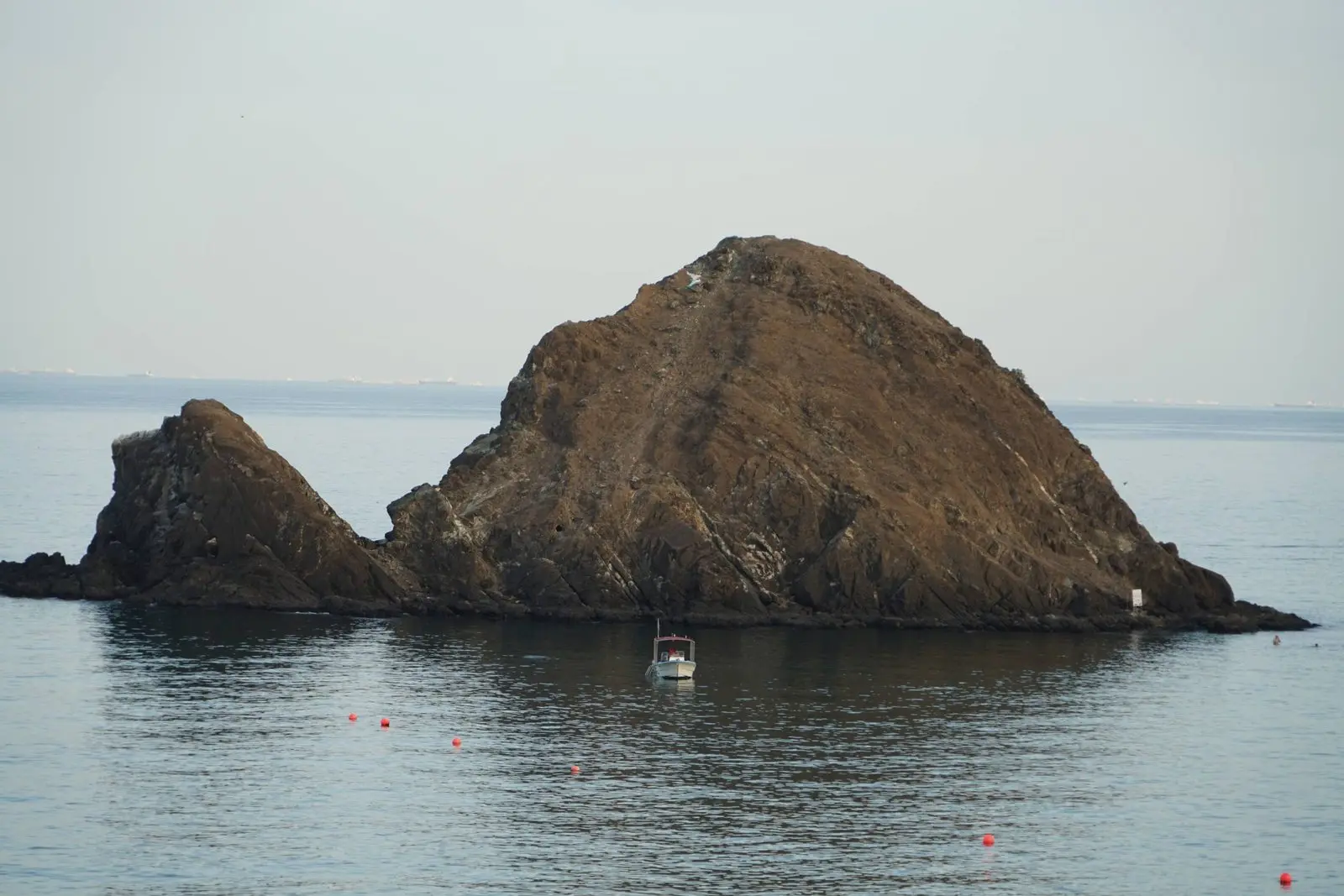
The coast's signature underwater spot sits just off Khorfakkan. The small rocky island is nicknamed Snoopy because its silhouette resembles the cartoon dog lying down. Around it lies one of the best reefs in the country.
What to expect below the surface:
- Soft and hard corals, schools of fish, moray eels, rays and the occasional turtle.
- Shallow areas closer to shore suit snorkelling, while the island's deeper walls are for diving.
- Local dive centres run boat trips out here, and the ride from shore is short.
The best time to dive is the calm months from October to May, when the water is clearer and the swell is minimal. Gear is easy to rent on site through a dive centre.
Al Aqah beaches and the shoreline
Al Aqah is the resort strip between Fujairah and Khorfakkan, with the finest beaches on the east coast. The sand is clean, the water shelves gently, and mountains fill the horizon.
- It works for families with children and for anyone seeking quiet.
- It is a convenient base for reaching Snoopy Island and nearby snorkelling spots.
- In the evening the beaches empty out, which is the best time for a walk along the water.
Khorfakkan itself is worth your time too: a landscaped corniche, a man-made waterfall set into the cliff, an amphitheatre and views over the gulf from the hills above town.
The Hajar Mountains and wadis
Behind the narrow coastal strip lies a world of stone and silence. The Hajar Mountains run the length of the east, and tucked among them are wadis, dry or water-filled riverbeds.
- Wadis are great for easy trekking, photography and a swim in natural rock pools after rain.
- The mountain road between the west and east coasts is scenic in itself.
- For exploring wadis, take a 4x4 and set out early before the heat builds.
Al Bidya Mosque
North of Al Aqah stands Al Bidya Mosque, the oldest in the UAE. Its small mud-brick building with four domes was built centuries ago with no columns inside; a single central pillar supports the vaults.
- Entry for visitors is free, but it is a working mosque, so modest clothing is required.
- Women should cover their head and shoulders; scarves are usually available at the entrance.
- Old watchtowers survive on the hill nearby, offering a fine view of the coast.
- Respect prayer times and do not enter during prayer.
How to get there from Dubai
The east is compact, and you can see a lot in a single day, though staying overnight makes the trip more relaxed.
- By car it is about one and a half to two hours from Dubai to Fujairah on a good highway through the mountains.
- The most convenient option is a self-drive car or a transfer with a driver, so you can stop freely at wadis and viewpoints.
- Public transport exists but runs rarely and is awkward for a route with several stops.
- It is best to set out early in the morning: diving and snorkelling are best planned for the first half of the day.
A few final tips
- The best season for the coast is October to April, when it is not too hot and the water is clear.
- Bring water shoes: the bottom around the reefs and in the wadis is rocky.
- Allow time for the mountain road; the views are worth stopping for.
- If you want to combine diving, beach and culture in a single trip, we at Gett will build a route to your pace and point you to trusted dive centres.
Read next
View all →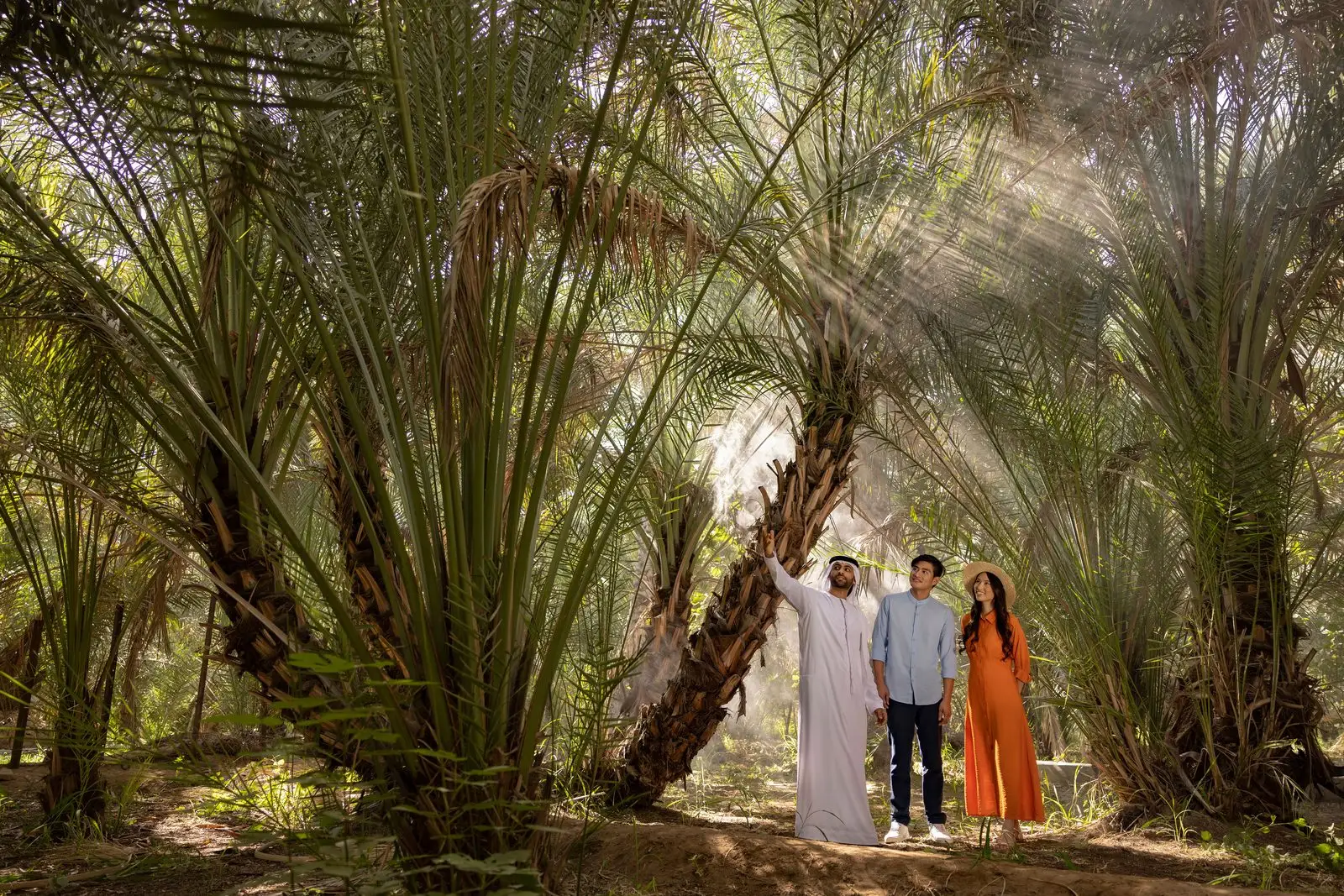
Al Ain in One Day: UNESCO Oasis, Jebel Hafit and Al Jahili Fort
A complete one-day itinerary through the UAE's garden city: the falaj-irrigated UNESCO oasis, the Jebel Hafit mountain road, a historic fort, the zoo and Green Mubazzarah hot springs. How to get there and when to go.
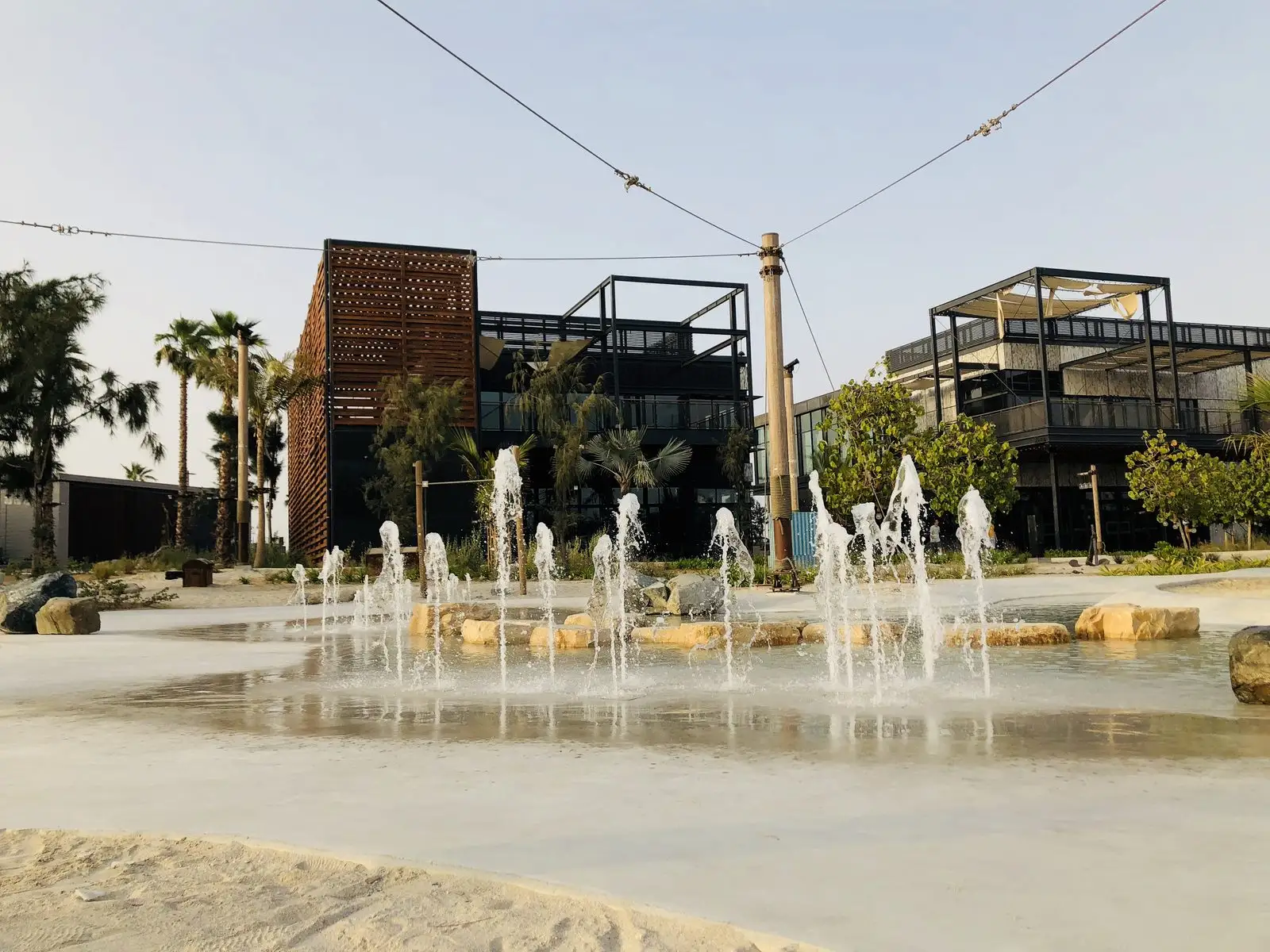
Dubai beach clubs 2026: best spots, prices and how to book
Poolside daybeds with a sea view, sunset sets and a minimum spend instead of an entry fee. The top beach clubs and how to pick yours.
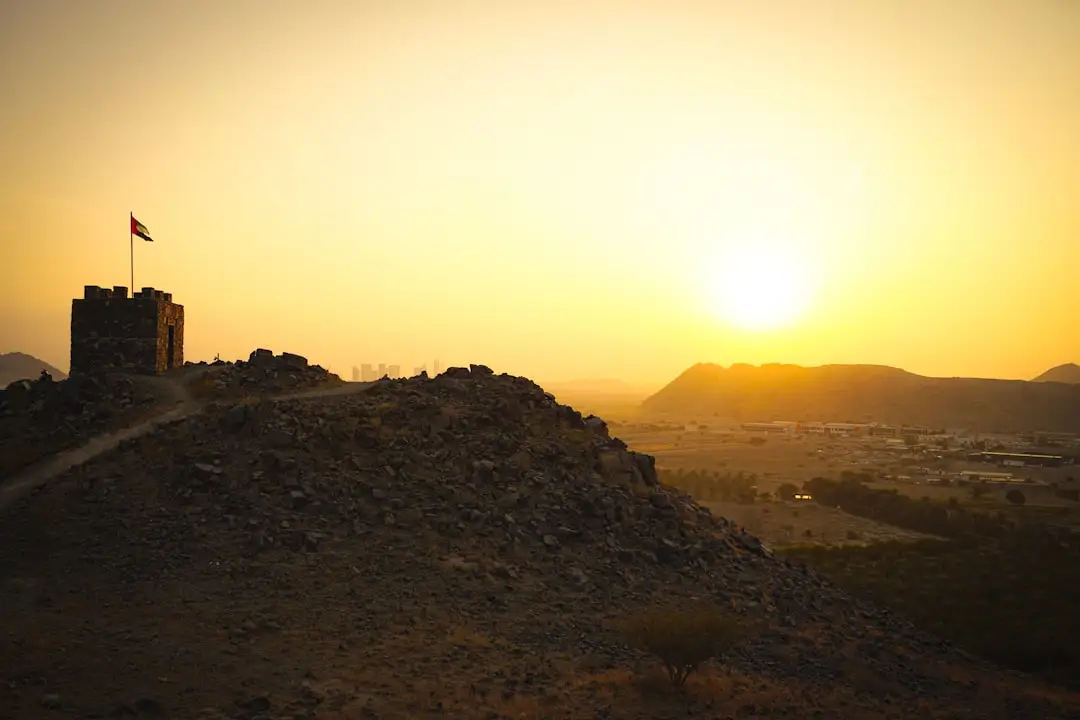
Fujairah: Diving and Snorkeling in the Indian Ocean in 2026
Snoopy Island, Dibba and the east coast dive sites: where to snorkel, the best season and how to get there from Dubai.